Topic
Space News
Latest space and astronomy news — NASA, ESA, JAXA, Mars exploration, rocket race, telescope discoveries, multi-perspective coverage.
Latest News
Friday, November 20
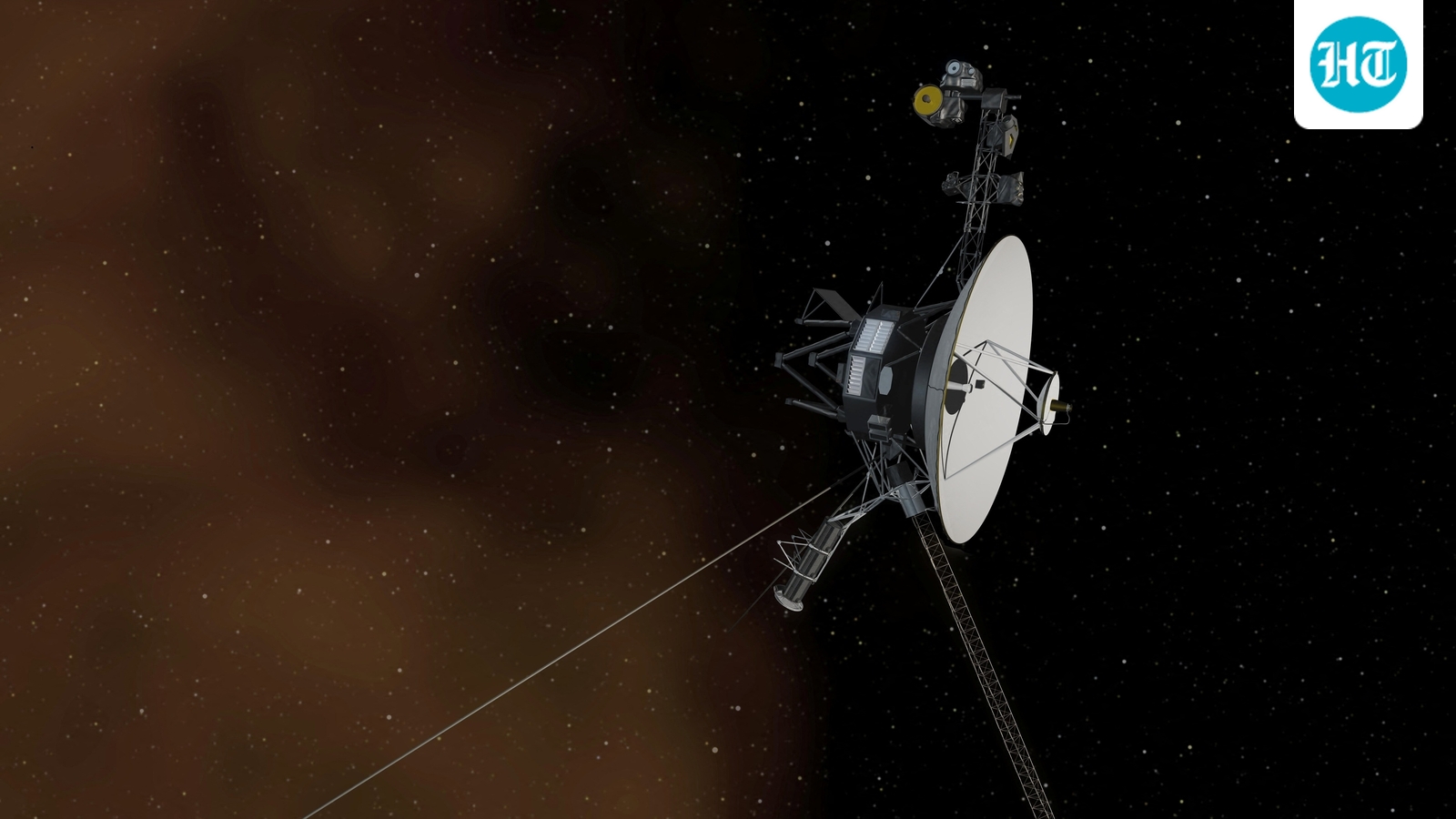
NASA's Voyager 1 believed to reach 'light-day' distance milestone
NASA's Voyager 1 probe is believed to have reached a distance milestone that no other spacecraft has reached from Earth, based on advance calculations.
27 more reports
- Voyager 1 Sends Signal from 1 Light-Day Away, NASA Confirms
- NASA’s Voyager 1 scripts history, becomes first spacecraft to travel a light-day from Earth
- NASA's Voyager 1 calls Earth from more than 16 billion miles, or one light-day, away
- Nasa’s Voyager 1 phones home from an awe-inspiring 1 light-day away
- NASA confirms Voyager 1 probe reaches 'light-day' distance milestone
- NASA’s Voyager 1 Makes History Reaching One Light-Day From Earth
- NASA's Voyager 1 Reaches 1 Light-Day From Earth, a Human Milestone
- What we've learned from Voyager 1 as it reaches extraordinary milestone
- Voyager 1 Reaches One Light-Day From Earth
- Voyager 1 is now a light-day from Earth. Here's what to know about NASA's longest-running mission
- NASA's Voyager 1 reaches one light-day milestone after 50 years in space
- U.S. space agency NASA believes Voyager 1 has covered one light-day
- After 49 years in space, Nasa’s Voyager 1 probe one light-day away from Earth
- Voyager 1 now 25.9 billion km from Earth, still active nearly 50 years after leaving our planet
- NASA's Voyager 1 Passes 1 Light-Day From Earth, Farthest Human-Made Object
- NASA's Voyager 1 now more than a light-day from Earth
- Voyager 1 becomes first human-made object to reach one light-day from Earth
- NASA Voyager 1 probe believed to have reached ‘light-day’ milestone
- After 49 years in space, Voyager 1 reaches one light-day milestone
- NASA Voyager 1 Believed to Reach 'Light-Day' Distance from Earth
- NASA's Voyager 1 probe believed to have reached 'light-day' milestone
- Man-made object reaches one light-day from Earth for first time
- Nasa’s Voyager 1 to make history by reaching a light-day from Earth
- Far from home. Voyager 1 is now farther than anything man has sent into space
- NASA's Voyager 1 Nears 'Light-Day' Milestone After 49 Years
- NASA's Voyager 1 probe poised to reach 25 billion km milestone
- Voyager 1 Nears One Light-Day From Earth; NASA Invites Tribute
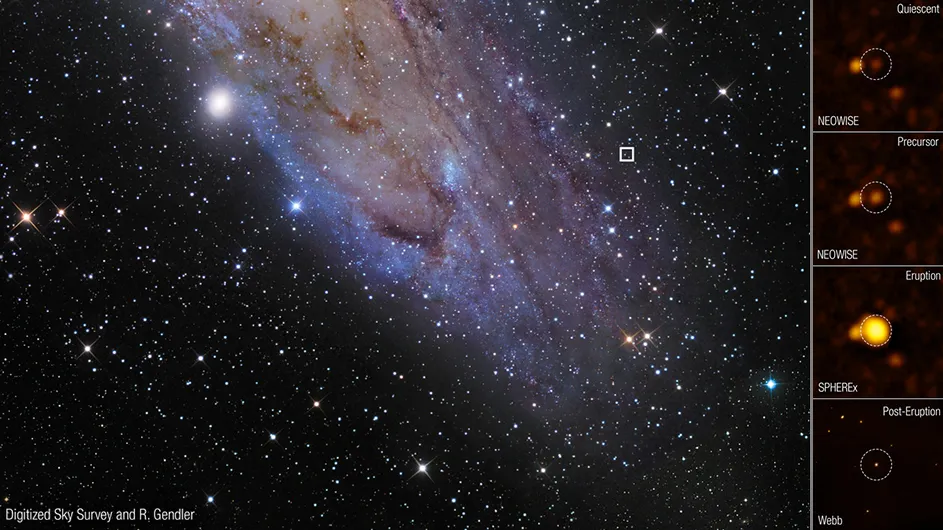
Watching as a giant star swallowed its neighbor and exploded
A recent brightening turned out to be from a star orbiting inside another.
NASA’s new Moon plan is taking shape, but some big questions remain
"We tend to have a lot of technical discussion and debate. That point will continue to be debated."
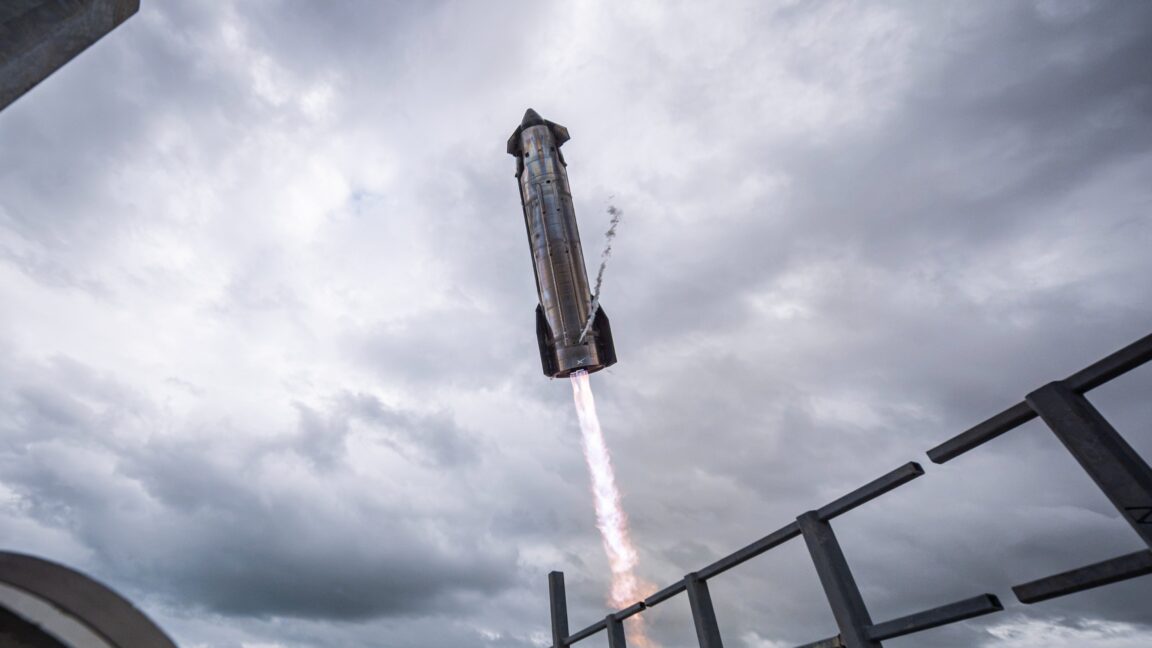
SpaceX denies responsibility for latest space debris on a Mexico beach
Space X's denial was three-tiered: 1. There are very few pieces of debris on the beach. 2. Even those are not from its launch. 3. Even if they were, they are not harmful.
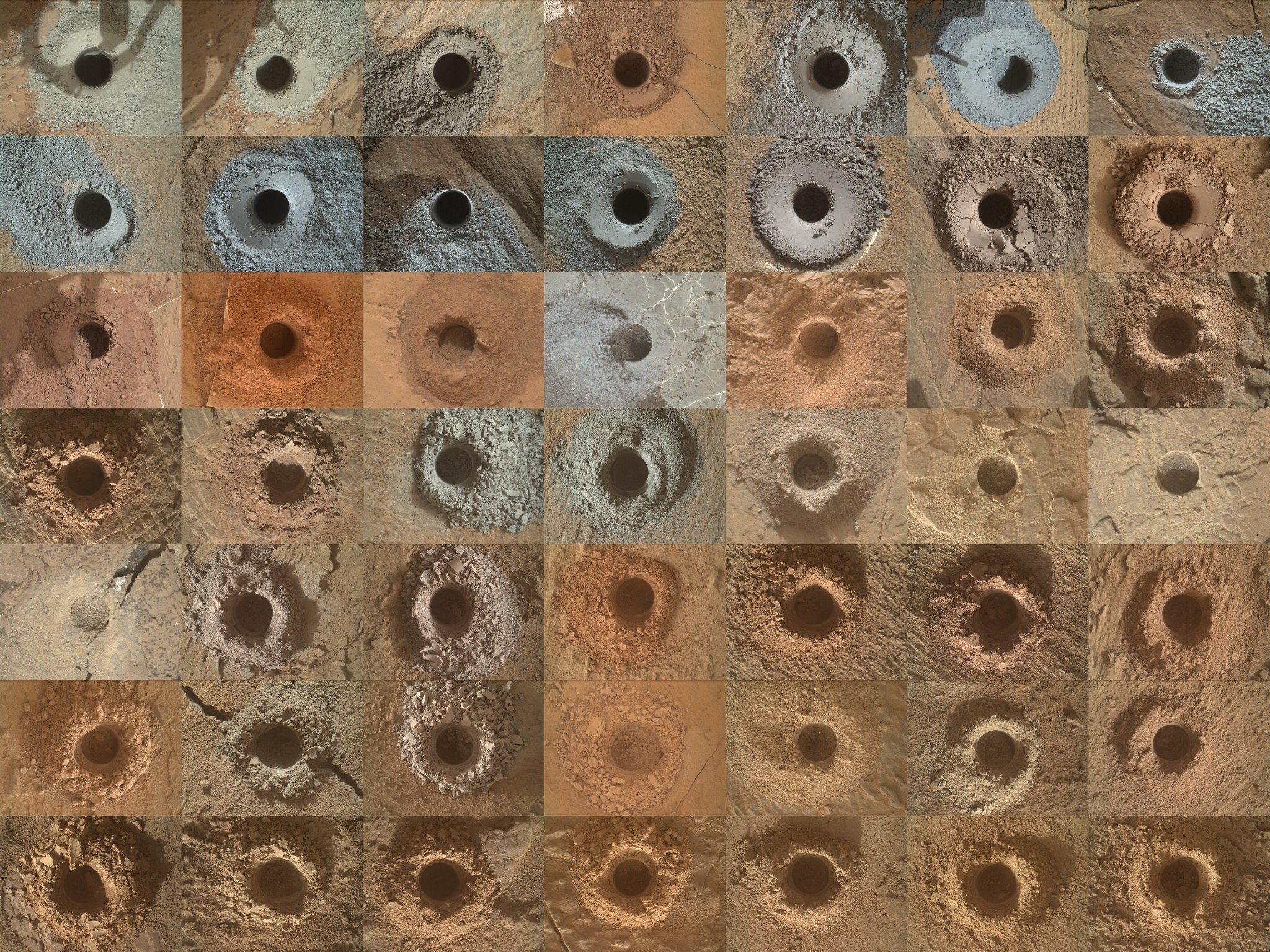
NASA’s Curiosity Mars Rover Collects Samples
This Nov. 16 collage shows 49 drill holes captured by NASA’s Curiosity Mars rover as of November 2026. Each hole represents a sample collected from rocks on the Martian surface; Curiosity’s drill, located on the end of its robotic arm, drops pulverized rock s…
Artemis astronauts on the moon will see Earth upside down
Artemis astronauts will explore the moon's south pole, so Earth will appear "upside down" to them. Read more strange things the astronauts will experience here.The post Artemis astronauts on the moon will see Earth upside down first appeared on EarthSky.
Mystery space object moves in strange ways
1998 KY26 is a mystery space object that accelerates in ways that gravity alone can't explain. A new study suggests light photons from the sun are the cause.The post Mystery space object moves in strange ways first appeared on EarthSky.
Scientists Grow Potatoes in Simulated Moon Soil
Scientists have succeeded in growing potatoes in simulated lunar soil, according to the report.


Thursday, November 19
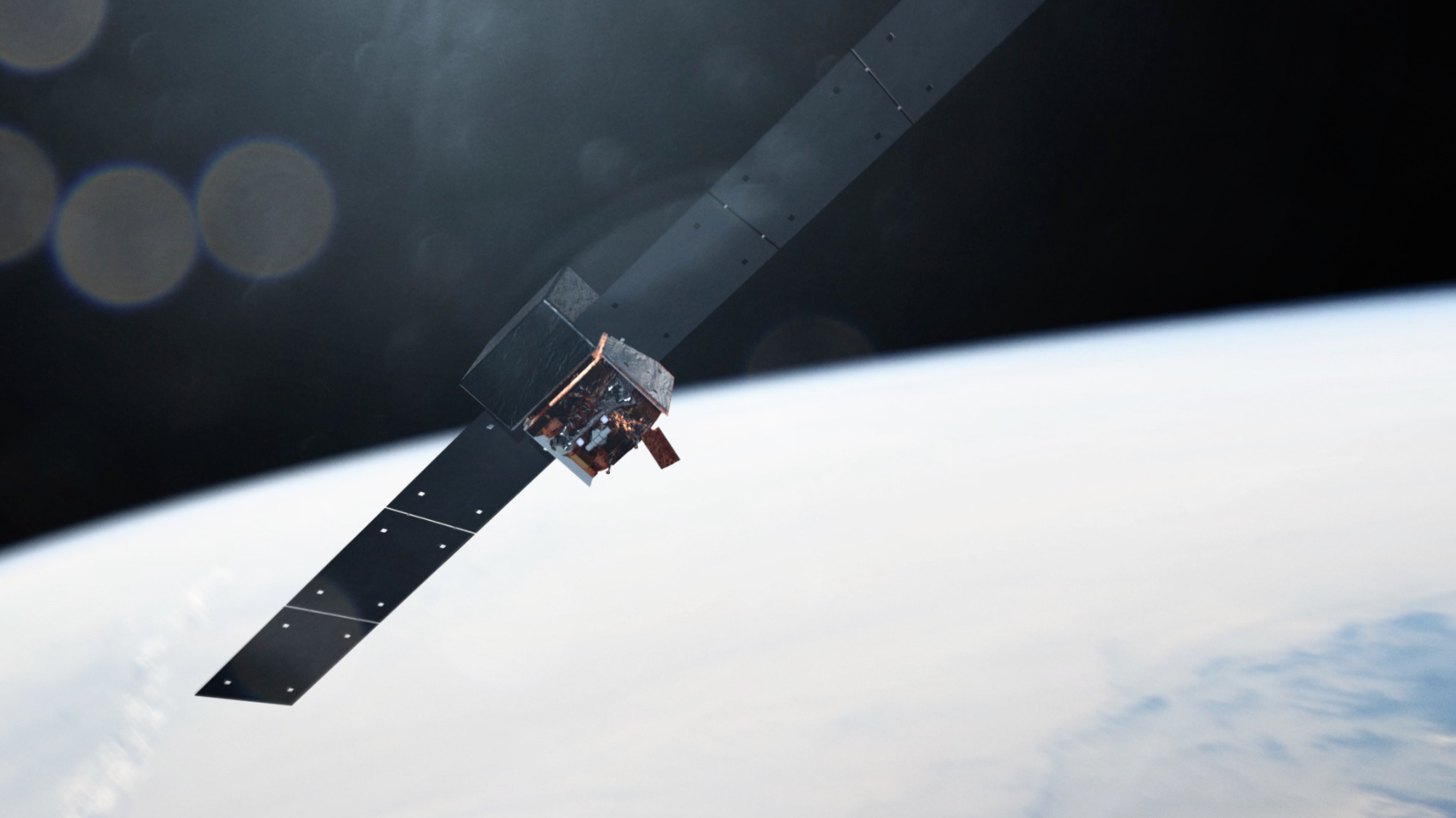
NASA Science Data Powers New Method to Discover Hard-to-Find Pulsars
Open data from NASA’s Fermi mission helped an international team of scientists develop a method for finding pulsars about a million times faster than before.
1 more report
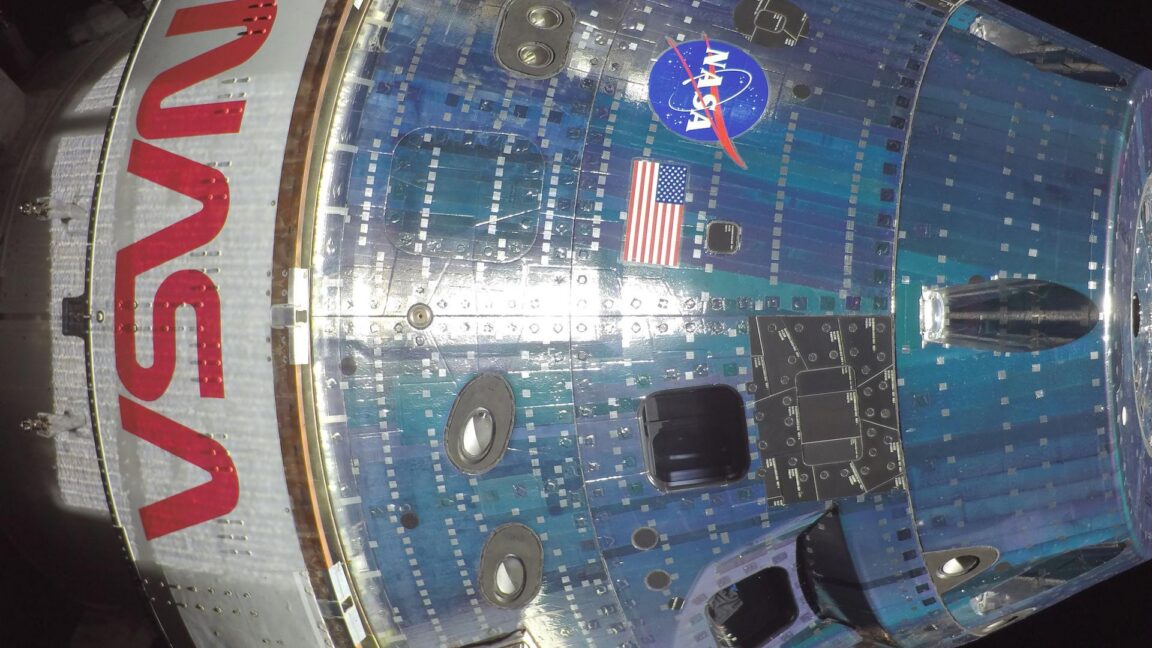
To make Moon landings easier, NASA is making life harder for Orion
"We also have a responsibility to not go too fast and cut too many corners."
Wednesday, November 18
NASA Sets Coverage for Northrop Grumman CRS-25 Launch, Prelaunch
NASA, Northrop Grumman, and SpaceX are targeting no earlier than 10:47 a.m. EST, Sunday, Nov. 29, for the next launch delivering science investigations, supplies, and equipment to the International Space Station. The agency also will hold a prelaunch media te…
Empire State Building Goes Gold for Voyager
The Empire State Building is seen illuminated in gold to celebrate NASA’s Voyager 1 spacecraft as it was about to pass one light-day away from Earth, a distance reached by no other human-made object, Nov. 17, 2026. The color gold represents the gold-plated co…
What Is the Moon Base?
This article is for students. NASA is returning astronauts to the Moon – and this time they will spend more time on the lunar surface. The Moon Base is humanity’s first lunar outpost. It will be a place where astronauts live, work, and explore. ______________…
Mysterious radio signals traced to rare binary star system
Astronomers have discovered that a rare binary star system is the source of mysterious radio signals that repeat every 8 minutes.The post Mysterious radio signals traced to rare binary star system first appeared on EarthSky.
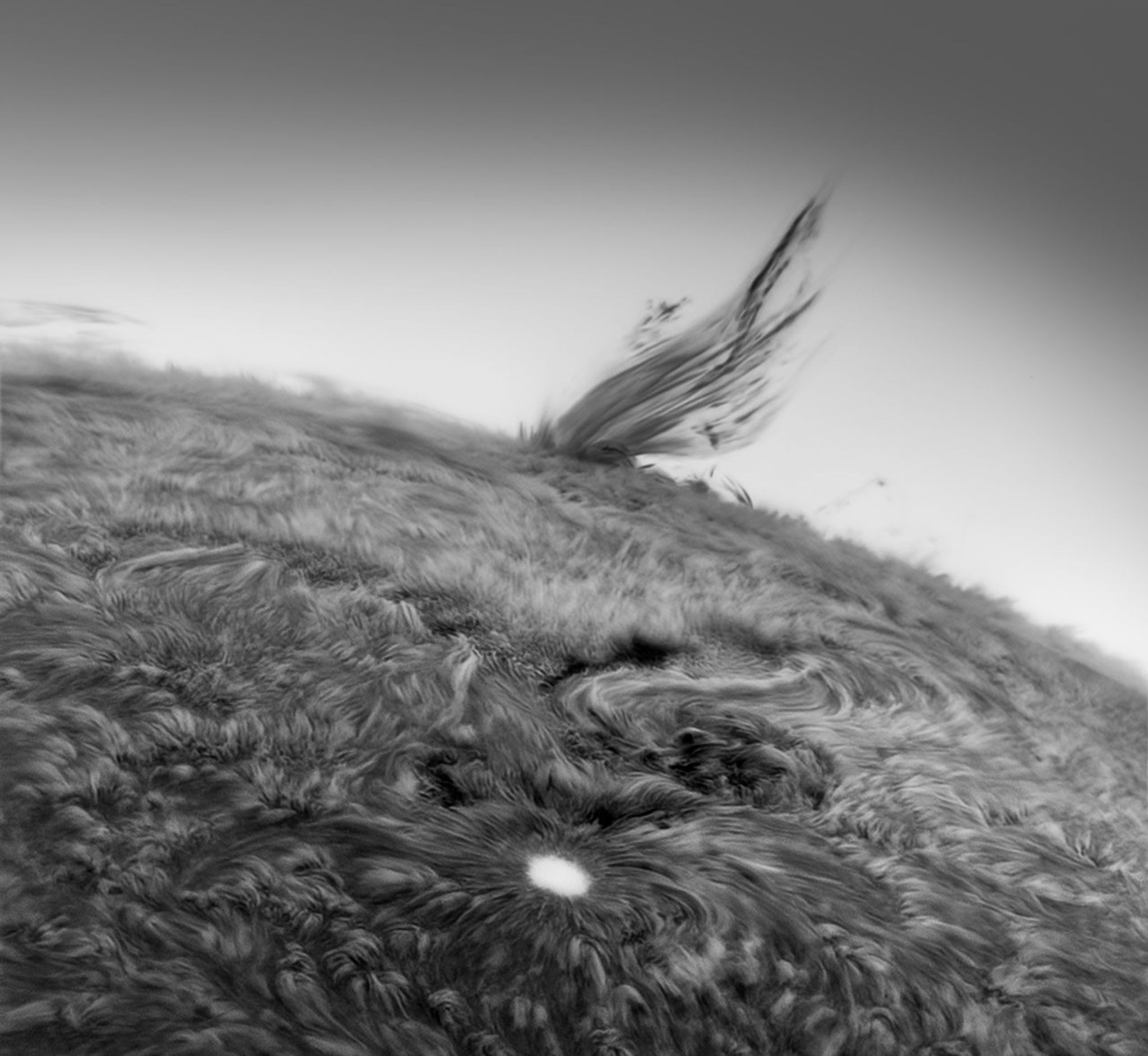
APOD: 2026 November 18 – An M-class Solar Flare
APOD Science APOD APOD: 2026 November 18 – An… Today’s APOD Archive Submissions Index Search Calendar RSS Education About Discuss APOD Astronomy Picture of the Day Discover the cosmos! Each day a different image or photograph of our fascinating universe is…


Tuesday, November 17
BPS Digital AVATAR Challenge
The NASA Space Biology Program within the Biological and Physical Sciences (BPS) Division investigates how living systems respond across the full spectrum of biological organization to advance understanding of how living systems respond to the unique stressor…
NICER Status Updates
November 17, 2026 NASA’s NICER Telescope Ends Science Operations After studying the universe for six and a half years beyond its initial mission, NASA’s NICER (Neutron star Interior Composition Explorer) telescope on the International Space Station has ended…
NASA Invites Media, Public to View Roman Telescope’s First Images
NASA will release the first images from its Nancy Grace Roman Space Telescope during a live stream from the American Geophysical Union (AGU) Annual Meeting in San Francisco at 3:30 p.m. EST (12:30 p.m. PST) Monday, Dec. 7. The images will showcase the unique…
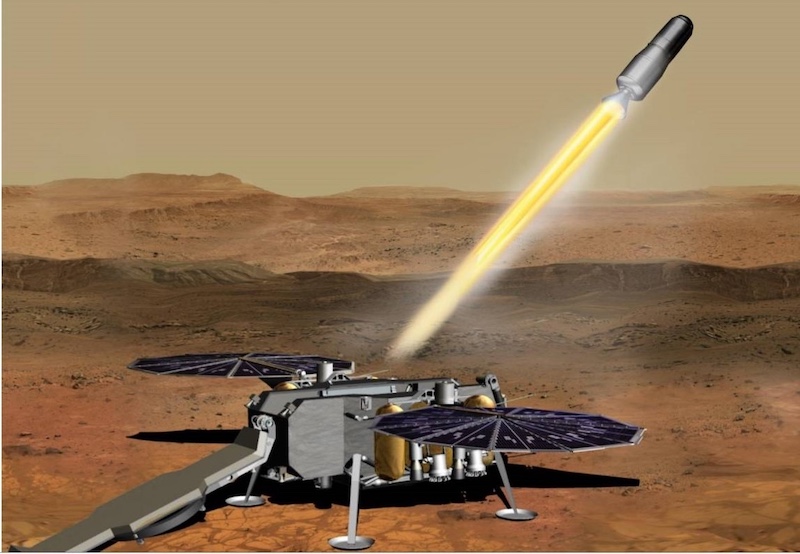
Mars Sample Return: NASA’s new effort to bring samples home
NASA has begun a new effort for a Mars Sample Return mission to bring the highly-sought samples from the Perseverance rover back to Earth.The post Mars Sample Return: NASA’s new effort to bring samples home first appeared on EarthSky.
Japan space probe changes target over engine trouble
The Hayabusa-2 probe brought back pristine materials from the asteroid Ryugu in 2020, supporting discoveries linked to clues on the origin of life.



Monday, November 16
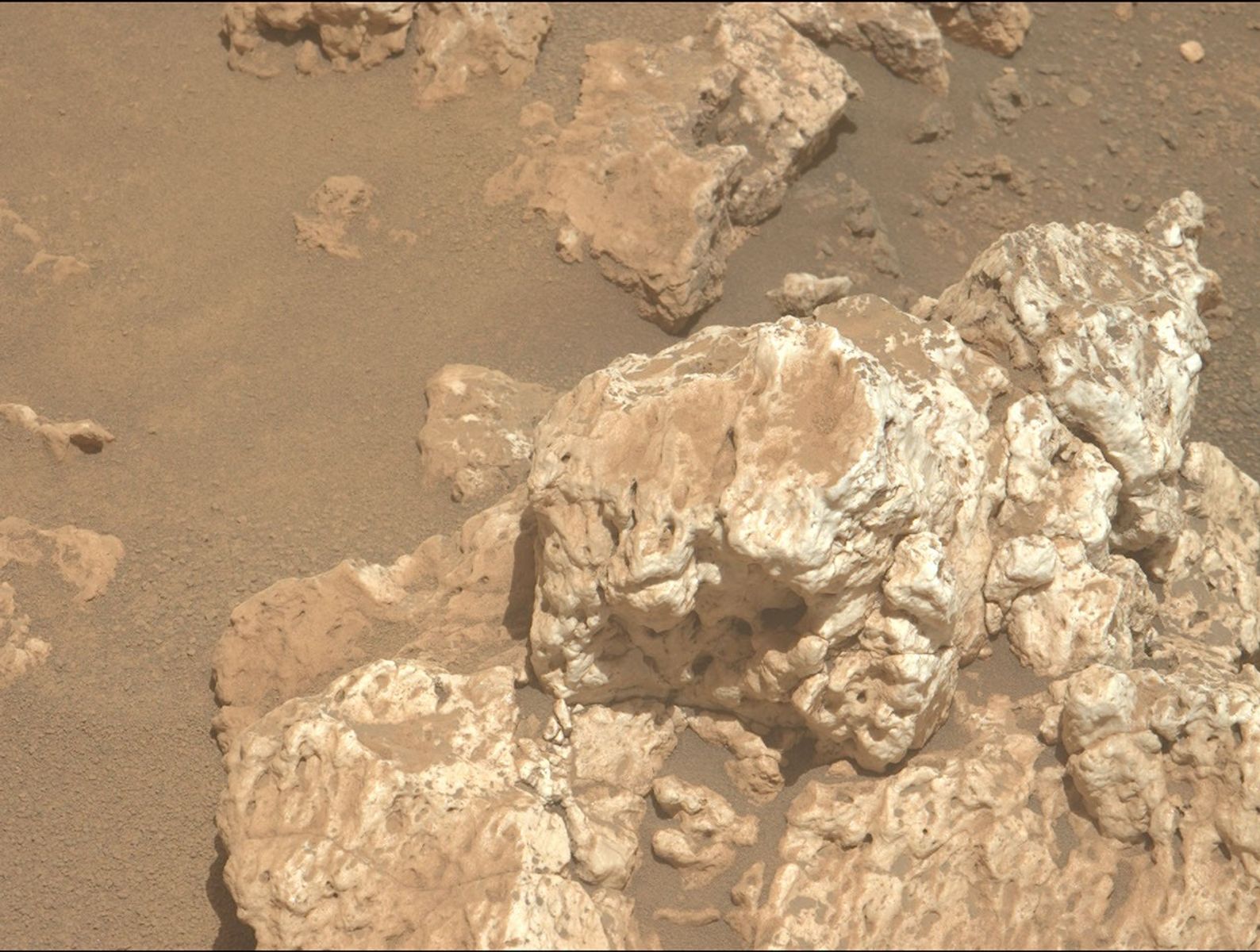
Perseverance Update: The Ghostly Rocks of ‘Idubi’ — Bright Remnants of Aqueous Systems from Long Ago
Written by Candice Bedford, Research Scientist at Purdue University Date: Nov. 16, 2026 During the Perseverance rover’s investigation of “Idubi” — an area of ancient Martian crust exposed in the “Lac de Charmes” region, outside of Jezero crater — the Persever…
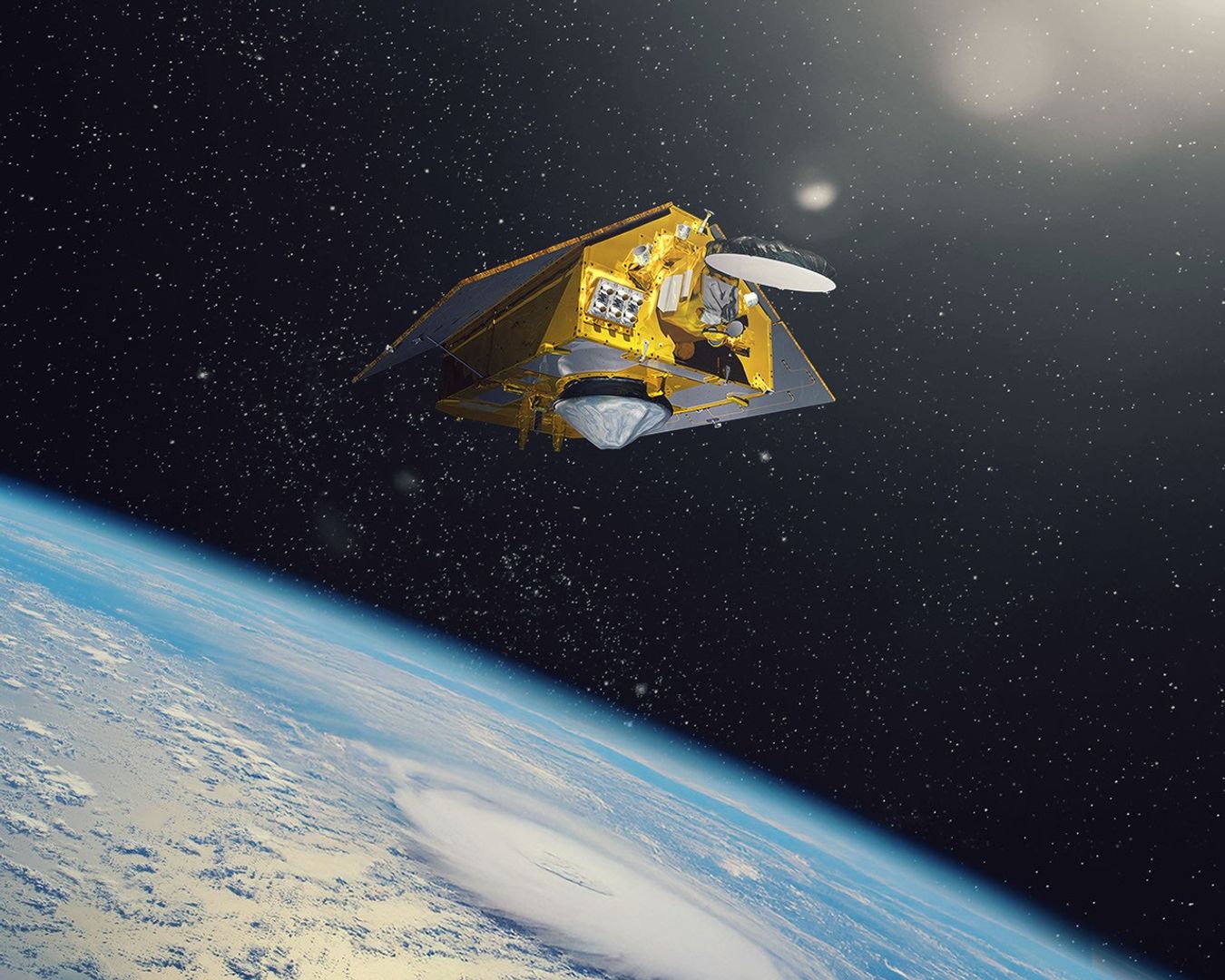
Sentinel-6B in Orbit Around Earth
Description This artist’s concept shows the Sentinel-6B satellite, which will become the reference satellite for other missions studying sea surface height.
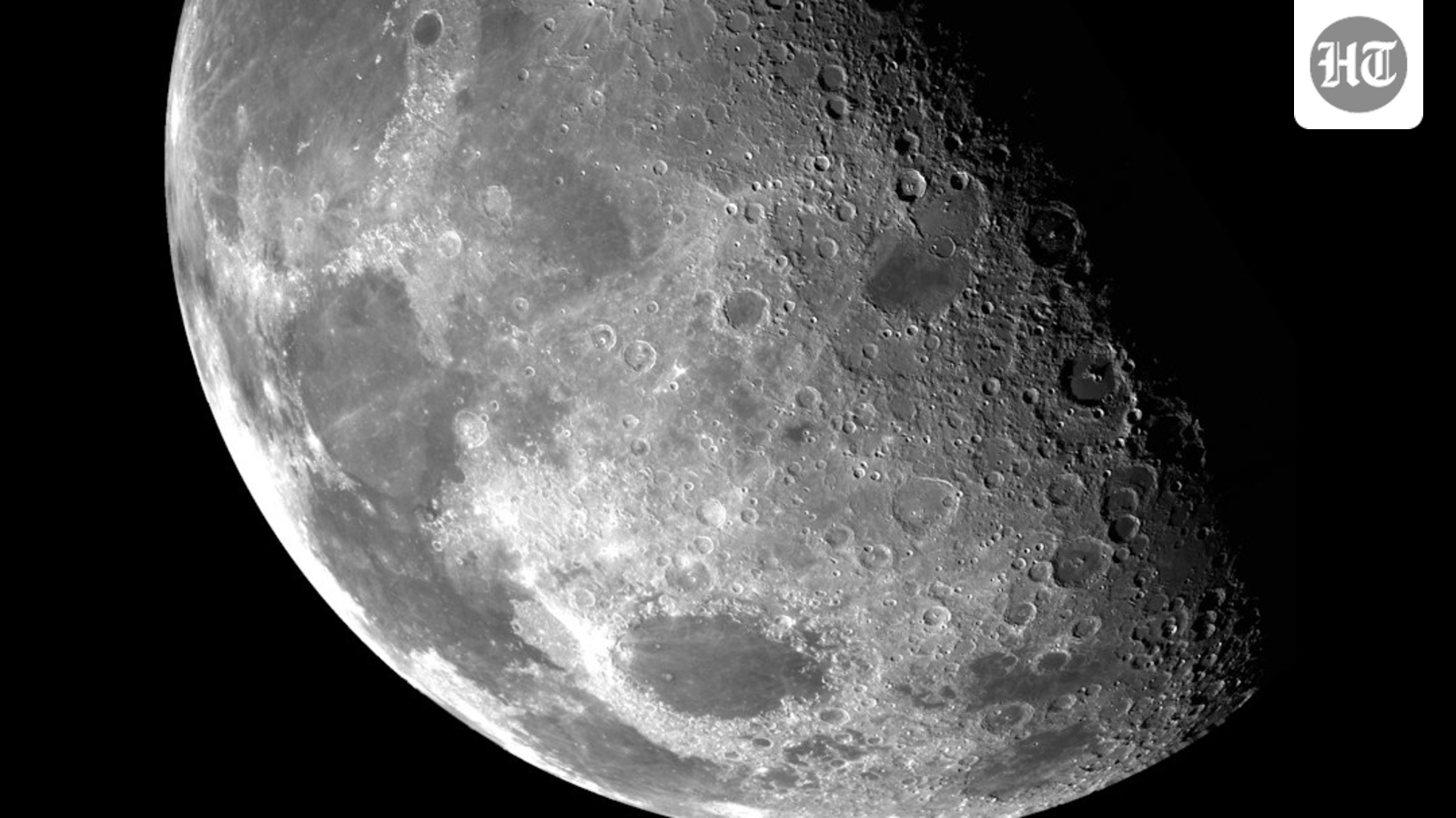
Lunar living: How to make yourself at home on the Moon
Moon is a harsh place for humans. However, this crater-laden, inhospitable land has become the newest front in the power competition between the US & China.
Sunday, November 15
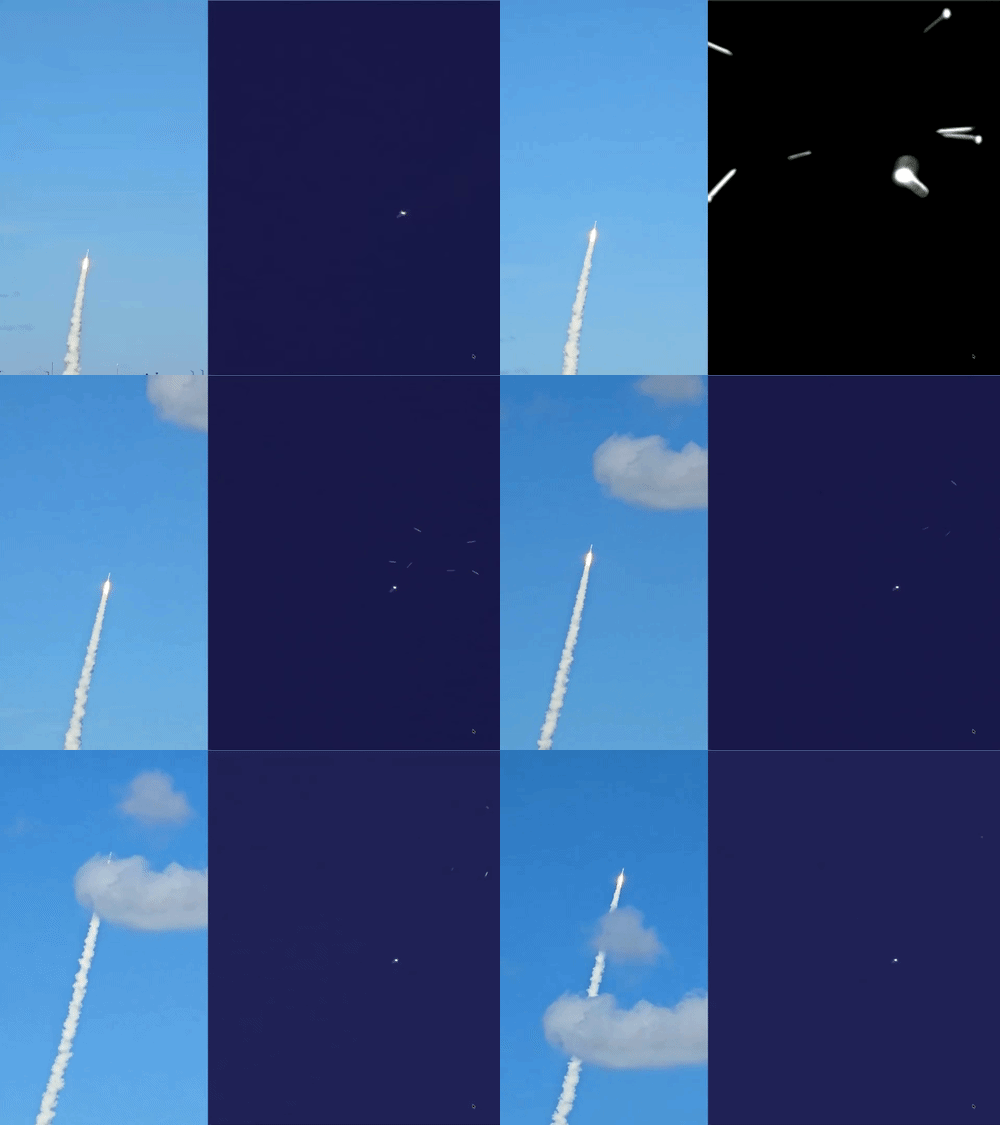
U.S. Vulcan rocket fails 10 minutes after launch, destroying 40 Amazon satellites
A United Launch Alliance Vulcan rocket failed 10 minutes after liftoff from Florida on Sunday, destroying 40 Amazon internet satellites it was carrying. It is the first complete mission failure in the ULA's 20-year history.
Humanity’s 1st intentional signal to space 52 years ago
The iconic Arecibo telescope is no longer operational. But its legacy lives on. And in 1974, Arecibo sent earthlings' 1st intentional signal to space.The post Humanity’s 1st intentional signal to space 52 years ago first appeared on EarthSky.

Saturday, November 14
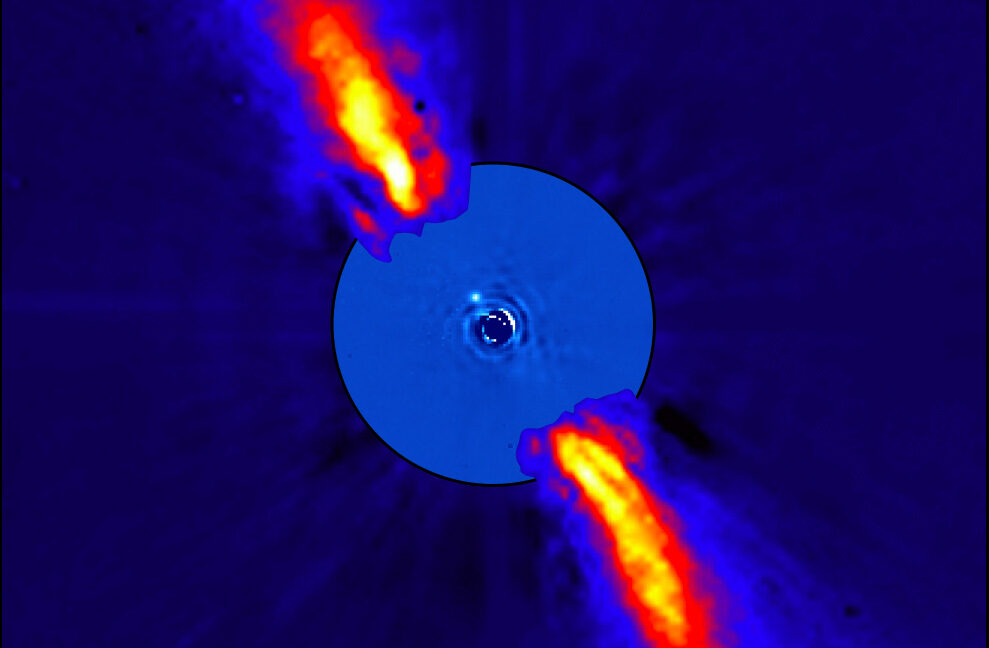
James Webb telescope finds ice older than the star it orbits
Radiation and collisions reshape the planetary building materials.
Friday, November 13
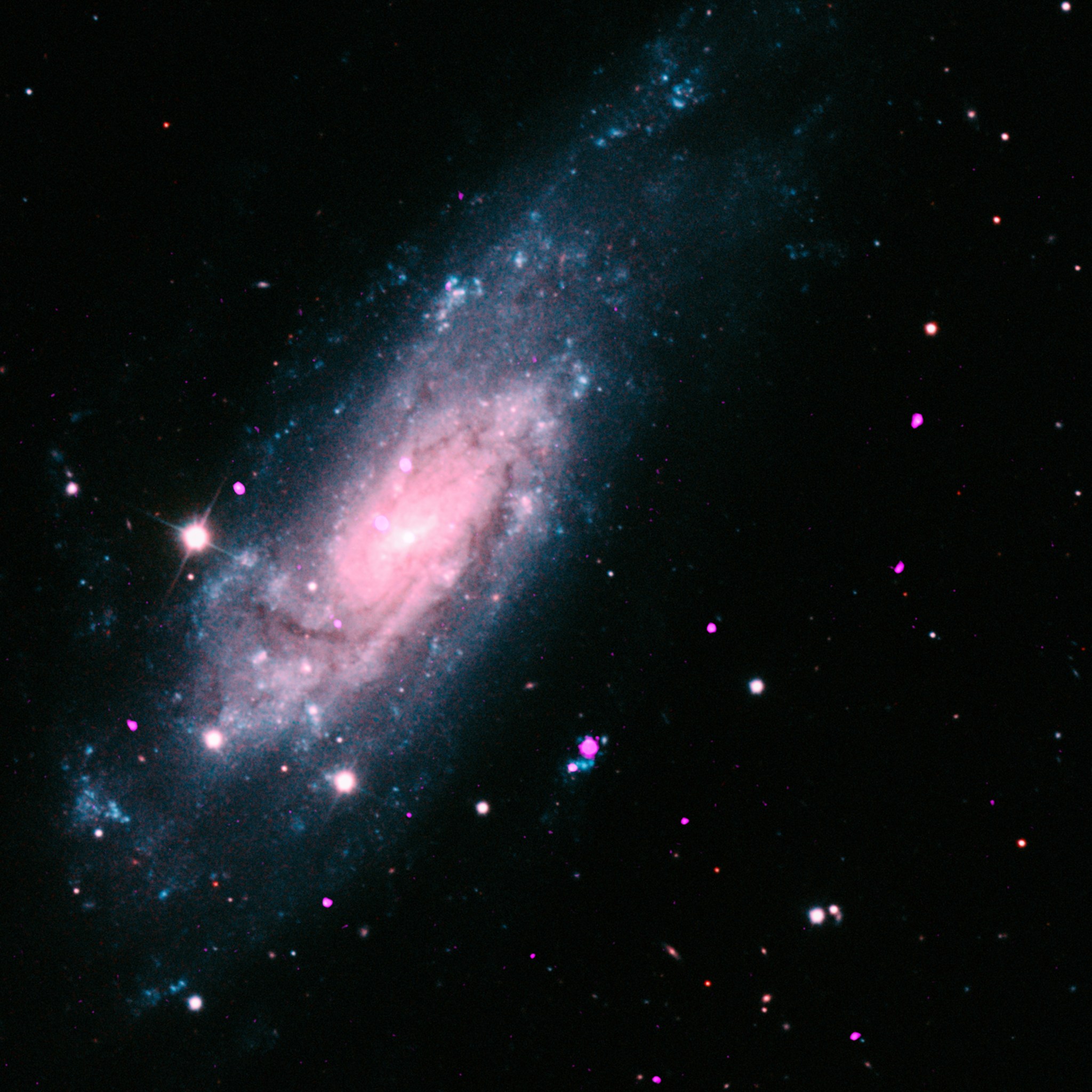
Outbursts from a Massive Star
Using NASA’s Chandra X-ray Observatory, astronomers have discovered what is triggering repeated outbursts from a giant, unstable star located in the galaxy shown in this image released on Nov. 9, 2026. The volatile star, known as AT 2016blu, is in the spiral…